
Industrial doors: how to choose the right solution for your business
Your warehouse is operating at full capacity, forklifts are constantly moving and your employees navigate between storage areas. But have you ever calculated how long your industrial doors remain open each day? This simple question can have a major impact on your workplace safety and your energy costs.
This guide helps you understand the different types of industrial doors, identify the one that fits your situation, and know when to call an expert.
Key points to remember
- High-speed industrial doors reduce thermal losses by 70 to 80% compared to traditional doors
- Worker safety depends directly on the proper choice and maintenance of doors
- Each type of door meets a specific need: controlled temperature, heavy traffic, or specialized environment
- A preventive maintenance program extends the lifespan of your equipment
- Return on investment is measured through energy savings, productivity, and accident reduction
What is an industrial door and why is it important?
An industrial door is much more than a simple opening in a wall. It is a strategic element that separates work areas, controls temperature, and protects your employees. It must meet precise requirements of safety, performance and durability.
According to the CNESST, Quebec employers are required to provide a safe working environment. This includes equipment such as doors, which must comply with current standards and be properly maintained.
Modern industrial doors offer several essential functions. They create an effective thermal barrier between temperature-controlled zones. They facilitate the movement of people and vehicles. They protect against intrusions, dust, and contaminants.
Which type of door suits your situation?
The choice depends on your activity, the traffic volume, and the environmental conditions. Here are the main options available.
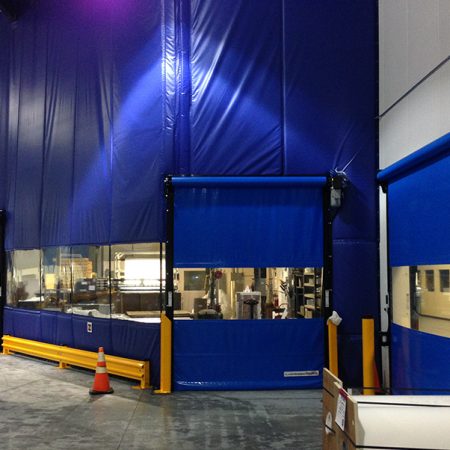
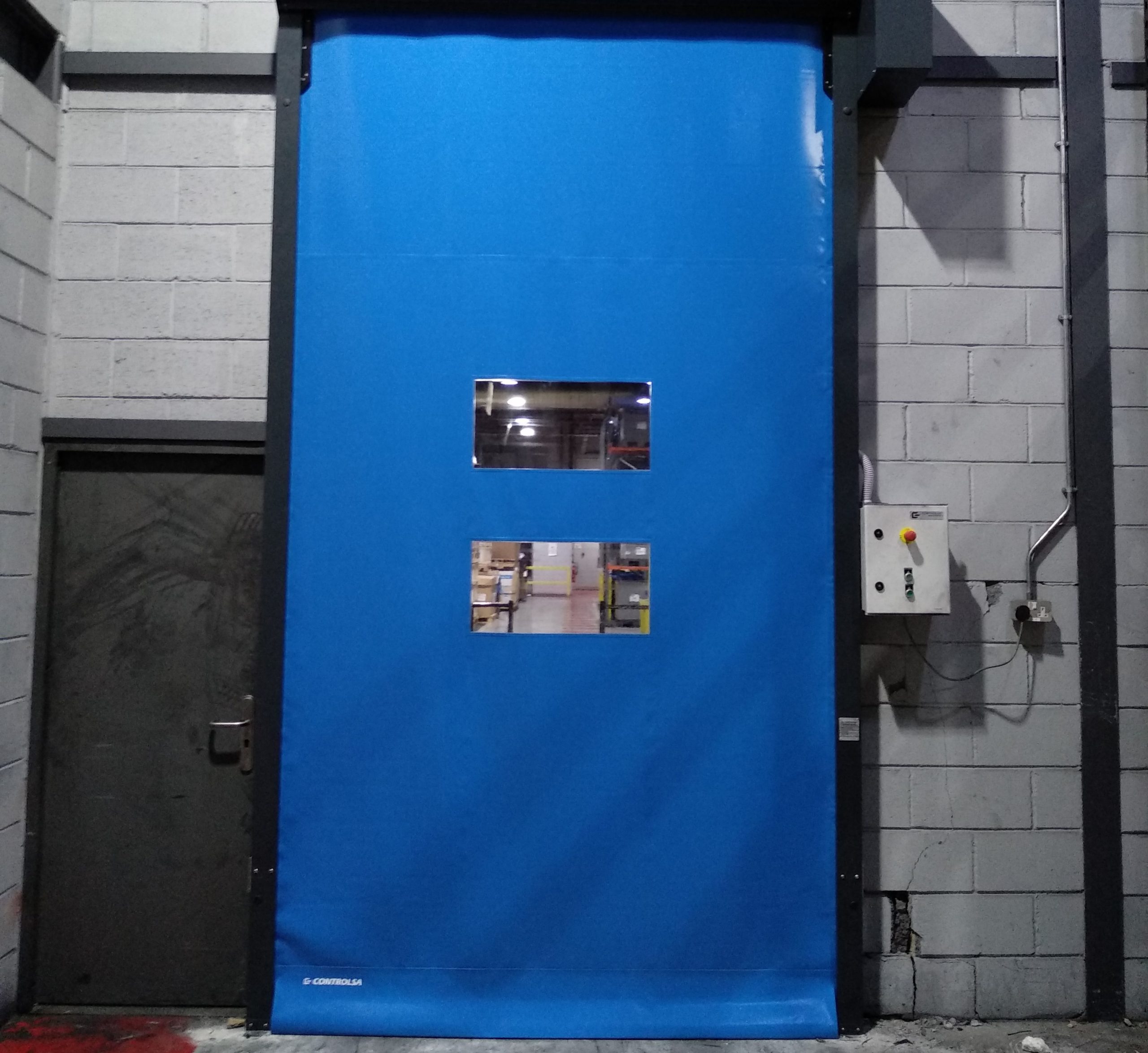
High-speed roll-up doors: ideal for high-traffic warehouses. They open in 1 to 3 seconds and minimize air exchange between areas. Their flexible PVC curtain resists impacts.
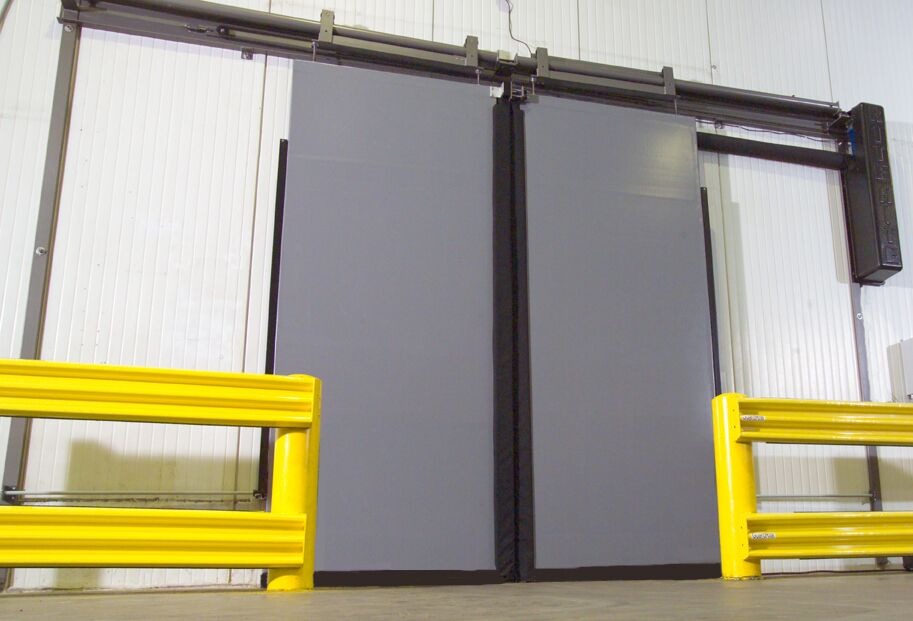
Doors for cold rooms and freezers: designed to maintain constant temperatures in food industry environments. Their reinforced insulation prevents frost formation.
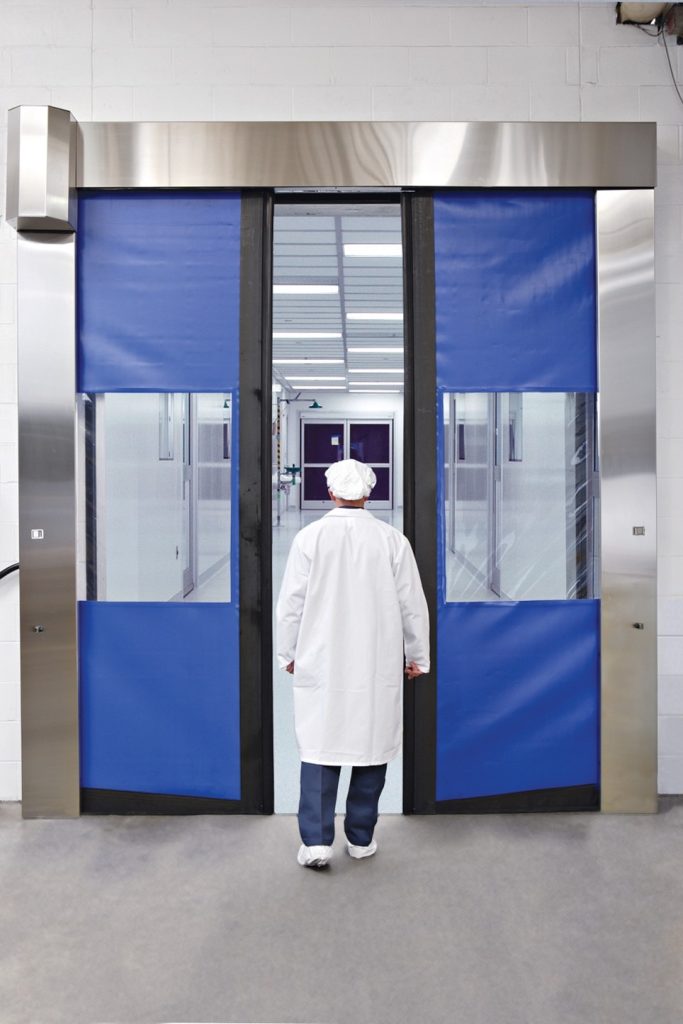
Clean room doors: intended for environments where contamination must be controlled. They offer maximum sealing and surfaces that are easy to clean.
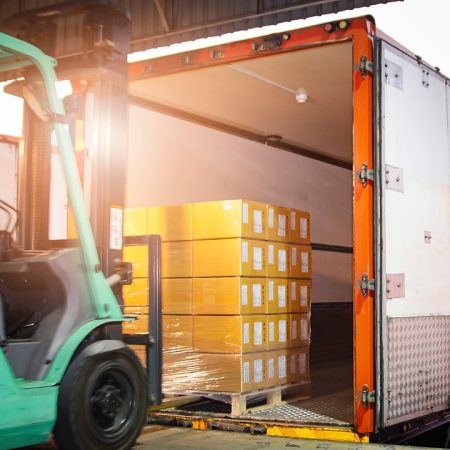
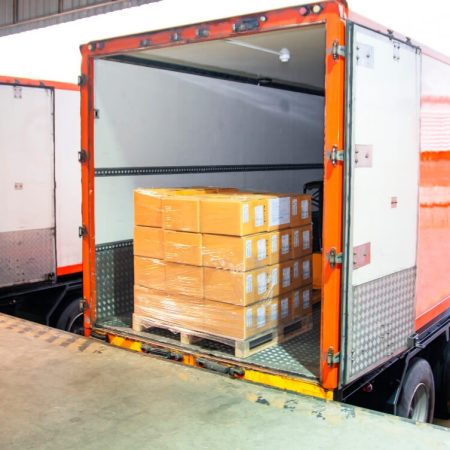
Sectional doors: suitable for loading docks and large openings. They combine thermal insulation and robustness.
When should safety concern you?
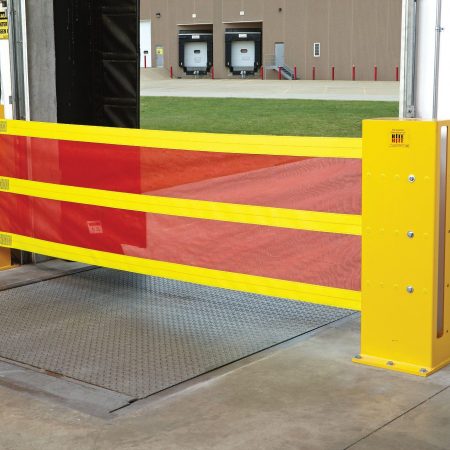
Safety is never a detail. Several signs indicate that a door poses a risk to your employees: an incomplete closing that lets drafts pass through, a mechanism that slows down or makes unusual noise, or the absence of protective devices such as photoelectric cells and emergency stops.
A malfunctioning door creates unstable temperature zones and may allow contaminants to enter sensitive environments. Ignoring these signals often leads to a complete failure at the worst possible moment. The Quebec regulations require appropriate protection measures on all industrial equipment.
Which door should you choose?
| Situation | What it means | What to do |
| Traffic of more than 100 passages per day | Standard door unsuitable | Choose a high-speed door |
| Controlled temperature (cold or hot) | Significant energy losses | Choose an insulated door with fast closing |
| Clean or sterile environment | Risk of contamination | Install a clean room door |
| Outdoor loading dock | Exposure to weather conditions | Sectional door with sealing shelter |
| Fire risk area | Regulatory requirement | Certified fire-rated door |
How to maximize your energy savings?
Industrial doors often represent the most vulnerable point when it comes to thermal loss. According to Natural Resources Canada, openings such as doors and windows can be responsible for significant heat loss in a building. The longer a door remains open, the greater the air exchange.
High-speed doors change this reality. Their full opening in just a few seconds drastically reduces air exchange. In a refrigerated warehouse, this can represent substantial savings on cooling costs.
To optimize these gains, make sure your doors are properly adjusted and that the sealing gaskets are in good condition. A regular maintenance program preserves thermal performance.
Best practices to extend the lifespan of your doors
Regular inspections: check monthly the condition of the curtains, guide rails, and closing mechanisms.
Preventive maintenance: a structured program prevents unexpected breakdowns. Lubricate moving parts according to the manufacturer’s recommendations.
Employee training: ensure that your staff understands the correct operation of the doors and knows how to recognize signs of wear.
Quick repair: never postpone a necessary repair. A small ignored problem often becomes an expensive failure.
What to remember to make the right decision
Choosing the right industrial door is an investment that affects several aspects of your business: the safety of your employees, your operational efficiency, and your energy costs. Take the time to evaluate your real needs before making a decision.
Not sure which type of door suits your situation? Our team can evaluate your needs, analyze your work environment, and recommend the appropriate solution. We also offer repair and maintenance services for all brands of industrial doors.
Contact us for a personalized consultation.
FAQ
Are high-speed doors suitable for outdoor environments?
Yes, some models are designed to withstand wind, rain, and temperature variations. Check the wind resistance class before choosing.
How often should an industrial door be maintained?
Annual preventive maintenance is recommended for most installations. High-traffic or temperature-controlled environments may require more frequent inspections.
Which safety devices are mandatory in Quebec?
Regulations require protection measures adapted to the existing risks. Photoelectric cells, safety edges, and emergency stops are commonly required depending on the application.
Can a door from a different brand than the one originally installed be repaired?
Yes, qualified technicians can repair most brands of industrial doors. The important thing is to call professionals who understand the different systems.
How long does it take to install a new industrial door?
A typical installation takes between half a day and two days depending on the complexity of the project and the necessary preparatory work.