


Category
Snow removal system
Loading docks in winter: 5 checks before the first snow


Frédéric Daniel Juneau
With more than 10 years of experience in the equipment field
When snow arrives, the loading dock becomes one of the most exposed areas of an industrial warehouse: open to the elements, slippery surfaces, trailers constantly entering and exiting, and early daylight hours. A pre-snow inspection is a small price to pay compared to a dock shutdown during a storm or an accident. Operator safety, forklift traffic flow, and energy losses all depend on the condition of your docks. Here are five checks to perform, in the order we typically encounter them in the field.
5 key points
- The dock leveller must be clean, dry and in good working order before the first snowfall.
- Shelters and sealing cushions limit heat loss and prevent snow and moisture from entering.
- The dock doors and their seals must close without gaps.
- The lighting and traffic lights must be working: visibility decreases earlier in the day.
- Snow removal and de-icing of the maneuvering area are planned before the storm, not during.
1. Dock levelers: clean, dry, functional
The dock leveler connects the loading dock to the trailer: all forklift traffic passes over it. The Canadian Centre for Occupational Health and Safety (CCOHS) reminds workers that loading docks and platforms must be dry, clean, and free of oil or obstructions , and that dock levelers must be used.
Before winter, check:
- the complete movement of the platform and the lip, without jerking;
- the condition of the surface, particularly areas that become slippery with melting snow;
- the pit under the leveller: debris, stagnant water, ice;
- unusual leaks or noises on a hydraulic leveler.
A mechanical chain grader requires more effort from operators, increasing the risk of injury, especially when wearing gloves and in cold weather. Canado-Nacan offers hydraulic conversion for existing graders , which automates the opening and closing of the platform.
2. Dock doors and seals: zero gaps
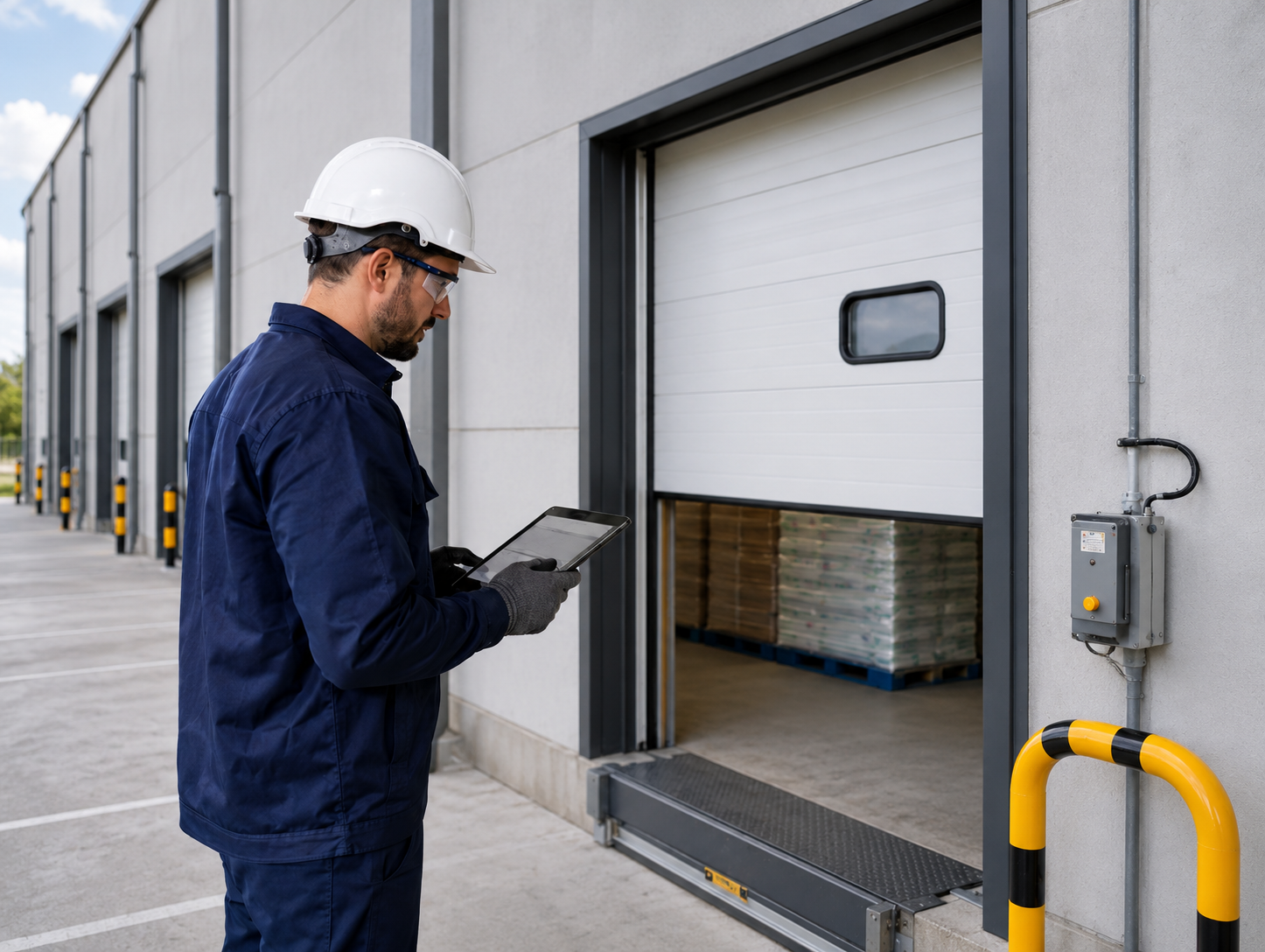
A door that doesn't close properly lets in cold air, powdery snow, and moisture. Inspect the panels, tracks, sensors, and seals, and then plan to repair or replace worn parts before the cold weather sets in, rather than scrambling for emergency repairs in the middle of a storm. Door seals are specifically designed to close the gaps between the door, the leveler, and the building structure. For an overview, see our industrial doors .
3. Shelters and waterproofing cushions
Protecting the loading dock from winter weather relies primarily on this equipment. Between the trailer and the building, the shelter or cushion forms a barrier against wind, snow, and freezing rain. Check the condition of the fabric, sides, and top, looking for tears, flattened areas, and secure fastenings. Repairing or replacing a shelter or cushion before winter is less expensive than the energy lost throughout the winter in an industrial building. A damaged cushion allows cold air to penetrate: the warehouse loses heat, trailers are less well protected, and operators work in drafts, increasing the risk of accidents.
Don't forget the underside of the leveler. The pit is open to the outside. The Pitmaster system closes the front of the pit and creates an air pocket that acts as insulation. To understand the difference between shelters, cushions, and seals, read our guide on sealing cushions and shelters .
4. Lighting and traffic lights
The CNESST reminds everyone that the work environment must be clean, clear, and well-lit . In winter, night falls during shifts: test everything.
- Dock lights: bulbs, articulated arms, wiring. The HD LED dock light has a power of 15 watts, a minimum lifespan of 50,000 hours and an IP55 protection rating.
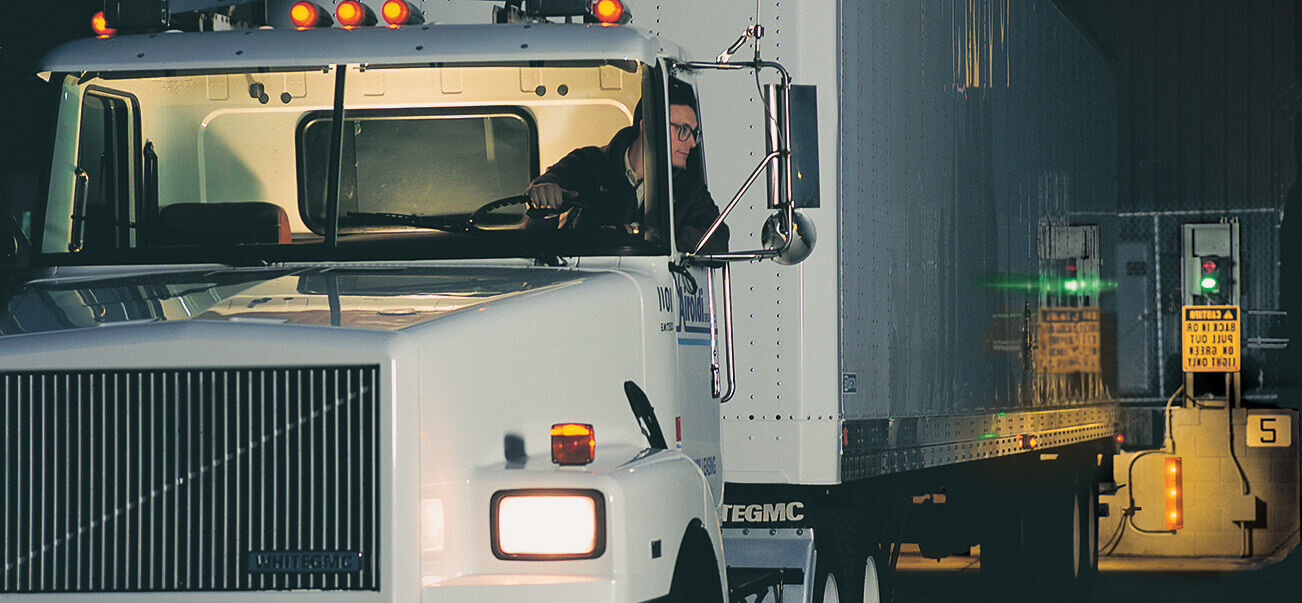
- Traffic lights: A red and green light communication system indicates "stop" or "go" to the driver and staff. Check that both colors illuminate and that the interior switch is working.
- Signage and signs: clean, visible, not covered with ice or snow.
5. Snow and ice removal from the maneuvering area
The CCOHS recommends applying a non-slip product to areas that could become slippery due to weather . So plan ahead before the first fall:
- who clears the snow, at what time and according to what trigger (accumulation, black ice);
- where to store snow, without blocking roads or exits;
- where to apply the anti-slip: trailer support area, ramps, pedestrian crossings, areas around the leveller;
- clearing the roofs of the company's trailers and trucks. Canado-Nacan offers Scraper Systems snow removal systems .
Also consider the trailers themselves, which must remain stable during dock operations: the CCOHS (Commission for Occupational Health and Safety) requires that the parking brake be engaged, the wheels chocked, and a sign indicating that the vehicle must not be moved be displayed. The CNESST (Commission des normes, de l'équité, de la santé et de la sécurité du travail) reminds workers that measures must be taken to prevent the trailer from moving during loading. See dock restraint devices .
Frequently asked questions
Take action
Worried about your dock equipment before winter? Speak to a Canado-Nacan Équipements expert .
Subscribe and stay tuned
Stay up to date with our monthly security best practice newsletters.

