BRAND:

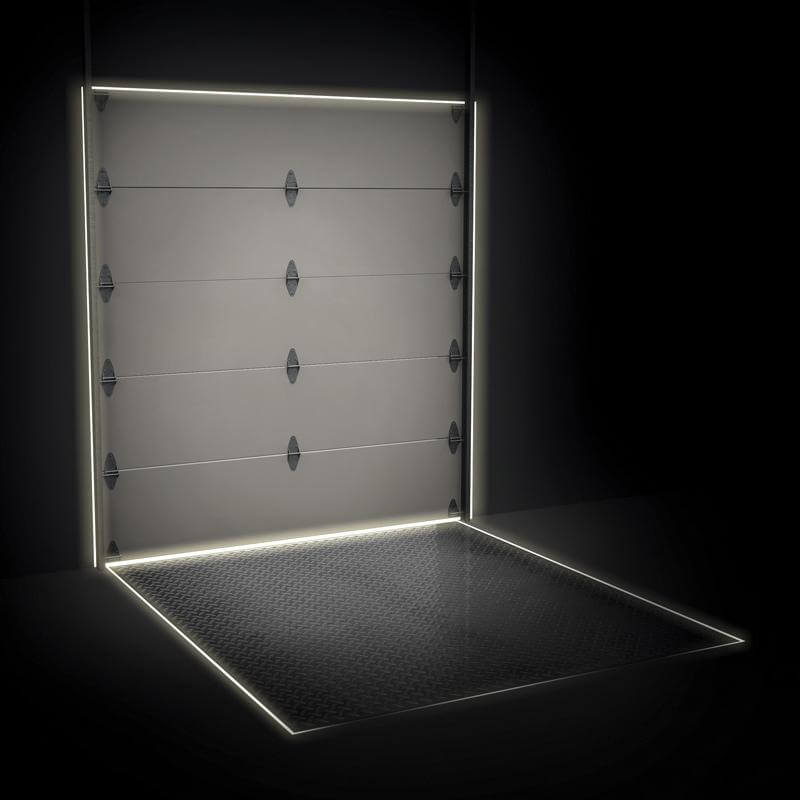
Wall Restraint System VBR-100

Compact wall installation locks trailers efficiently without taking up floor space. Cost-effective solution ensuring reliable restraint while maximizing operational clearance at the dock.

arrow pointing to left
arrow pointing to right
No items found.
arrow pointing to left
arrow pointing to right

Importance of communication at the loading dock

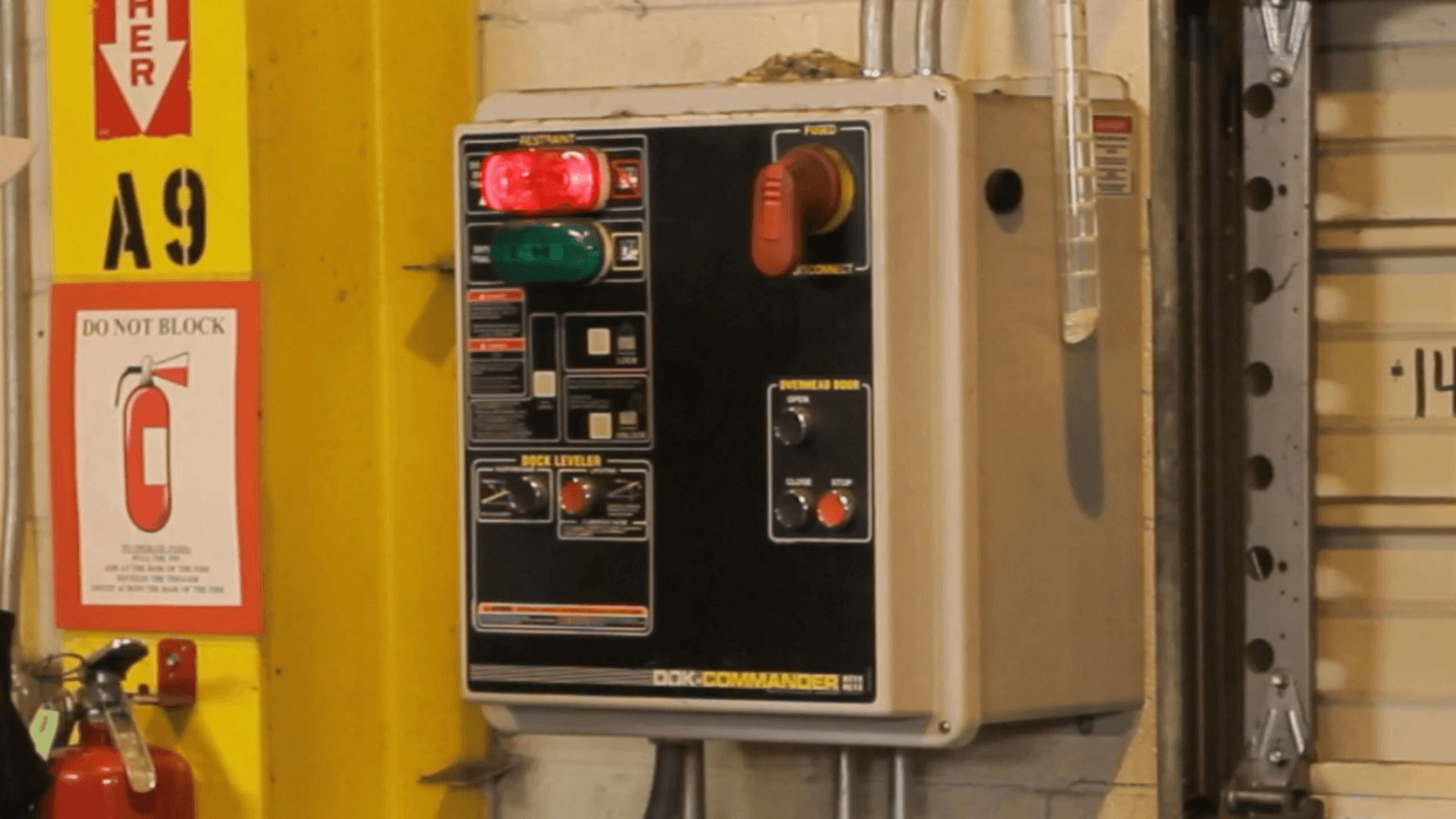
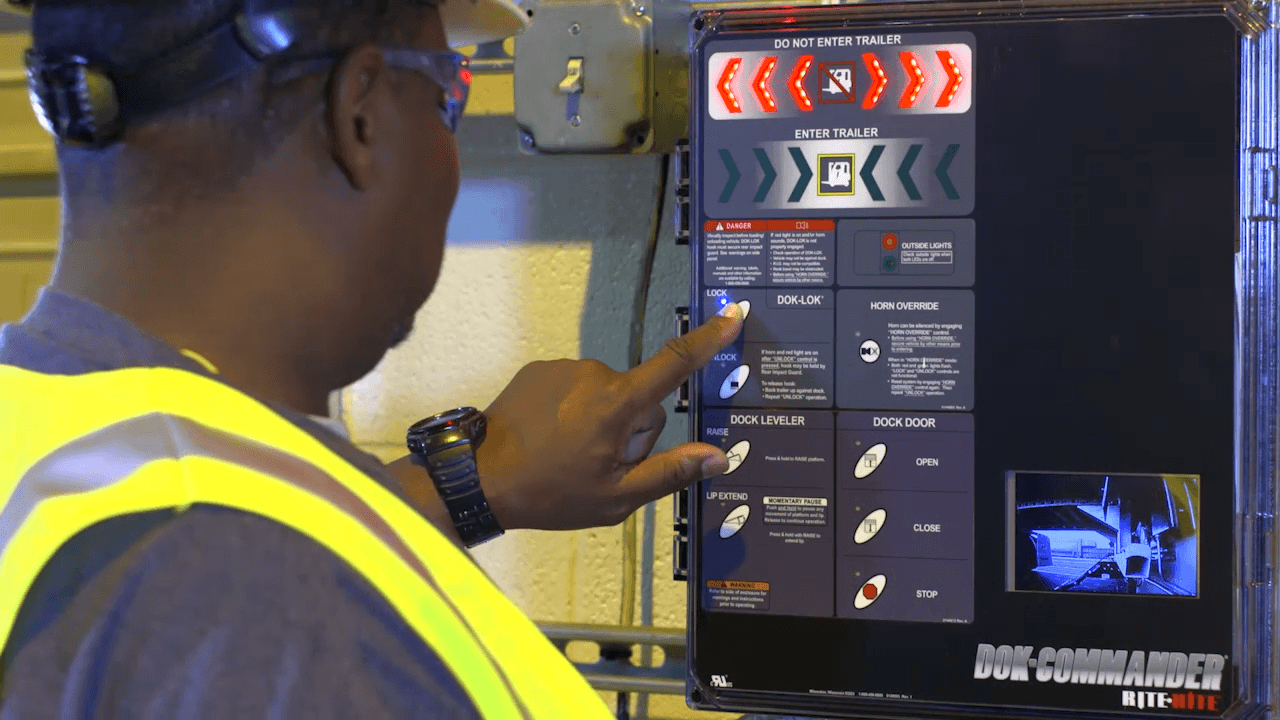
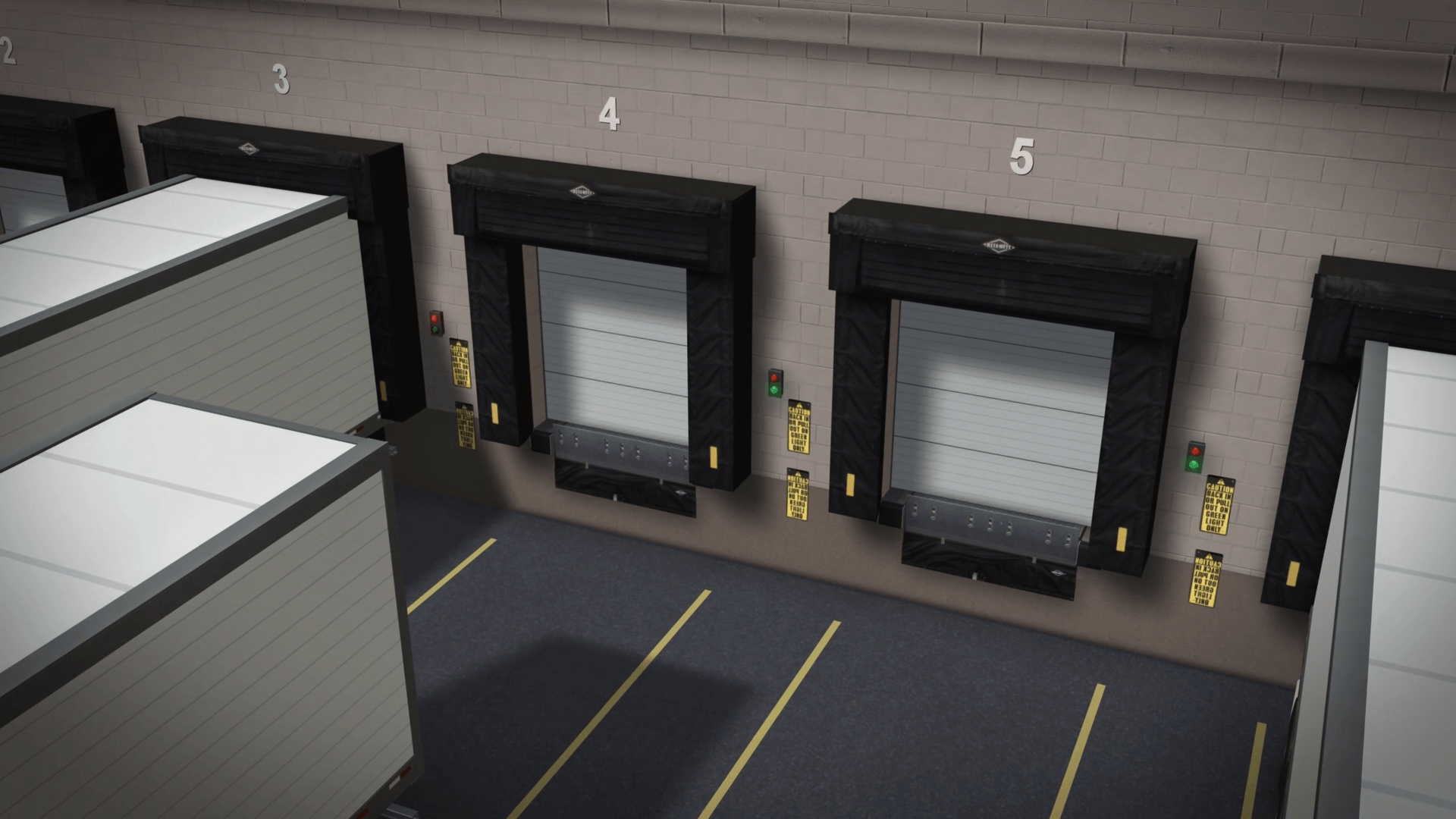
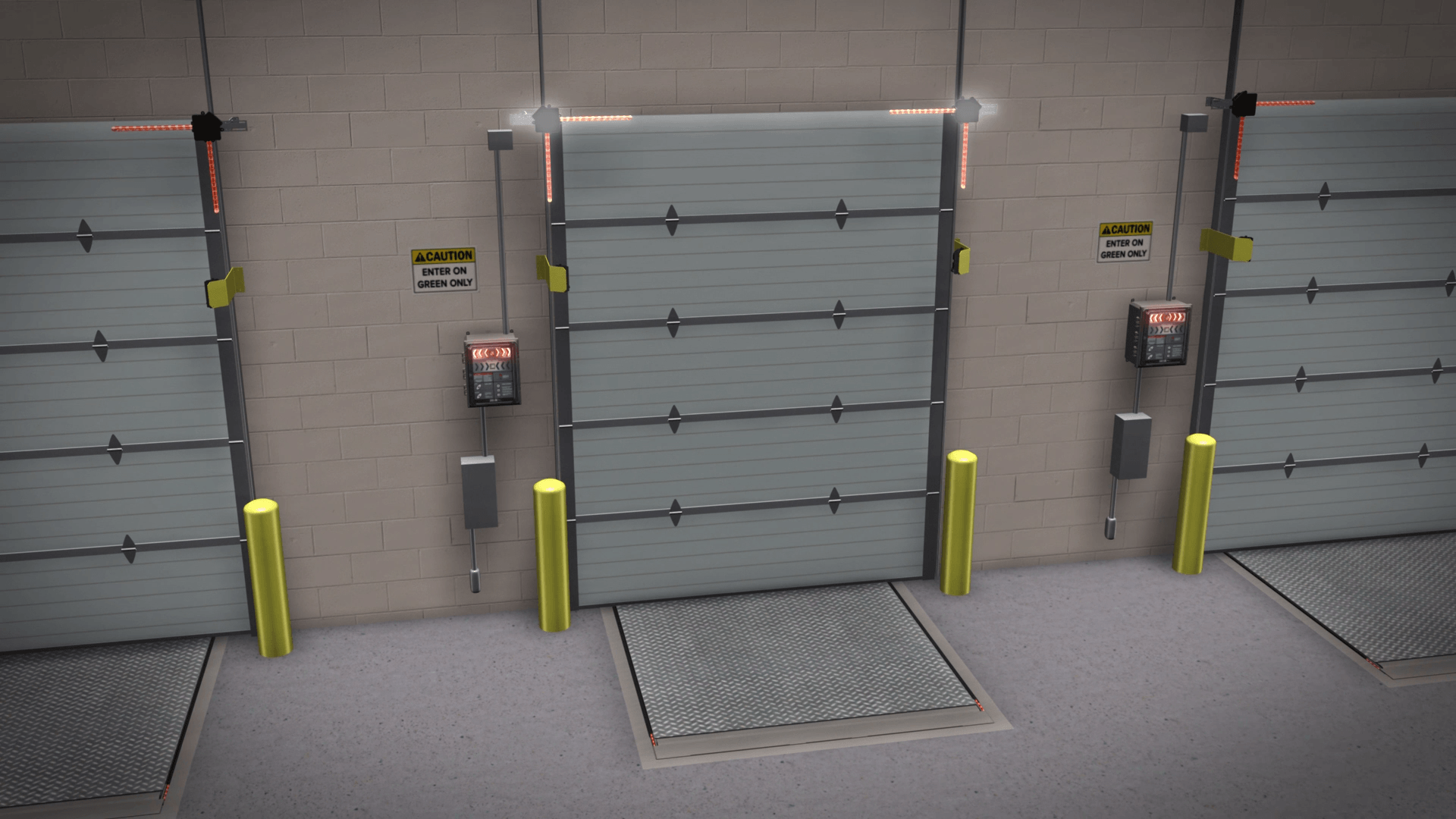
Clear and concise communication is essential for safety and productivity. The use of lights, audible and visual alarms has an immediate positive impact on the loading dock. Red and green lights let personnel know when it is safe to load, while audible and visual alarms signal when to leave the driveway. Rite-Hite offers solutions for safer, more productive facilities!

Integrating a Dok-Lok® dock timer into your facilities will allow you to:

Improve loading efficiency by increasing trailer capacity and throughput. Prioritize handling needs based on posted time. Better control the high costs of detention and demurrage. Intuitive monitoring of the loading process, from the presence of the trailer if a sensor is present at the dock. Make data-informed decisions based on real-time events and historical trends with smart, connected capabilities. Optimize the existing Dok-Lok® vehicle restraint system.

Dok-Lok® Connected Vehicle Restraint Systems

Pair it with sensors to see cycle counts, trends, deviations and more. Track the entire (un)loading process to reduce downtime and prioritize loading needs to decrease holding costs.

Vertical wall barrier VBR-100

This manual steel wall restraint allows trailers to be secured to loading docks using RIG or ICC bars. Ideal for live loading, the Dok-Lok exerts a continuous upward force that ensures a secure hold despite variations in trailer bed height variations during loading. A mechanical spring housing maintains contact with the RIG bars. An automatic lighting system is available as an option.

Dropped Loads vs. Moving Loads: Which Restraint App Is Better?

Designed for live loading operations, Vertical Barrier Restraint Systems (VBRs) exert strong and reliable upward pressure on road convoys. Thanks to the connection between the trailer cab and the load, the rotary hook restraint system (by winding and hook) is not necessary, because the truck's fifth wheel, connected to the trailer, helps to prevent vertical movement, in addition to the VBR.

Know your risks at the loading dock

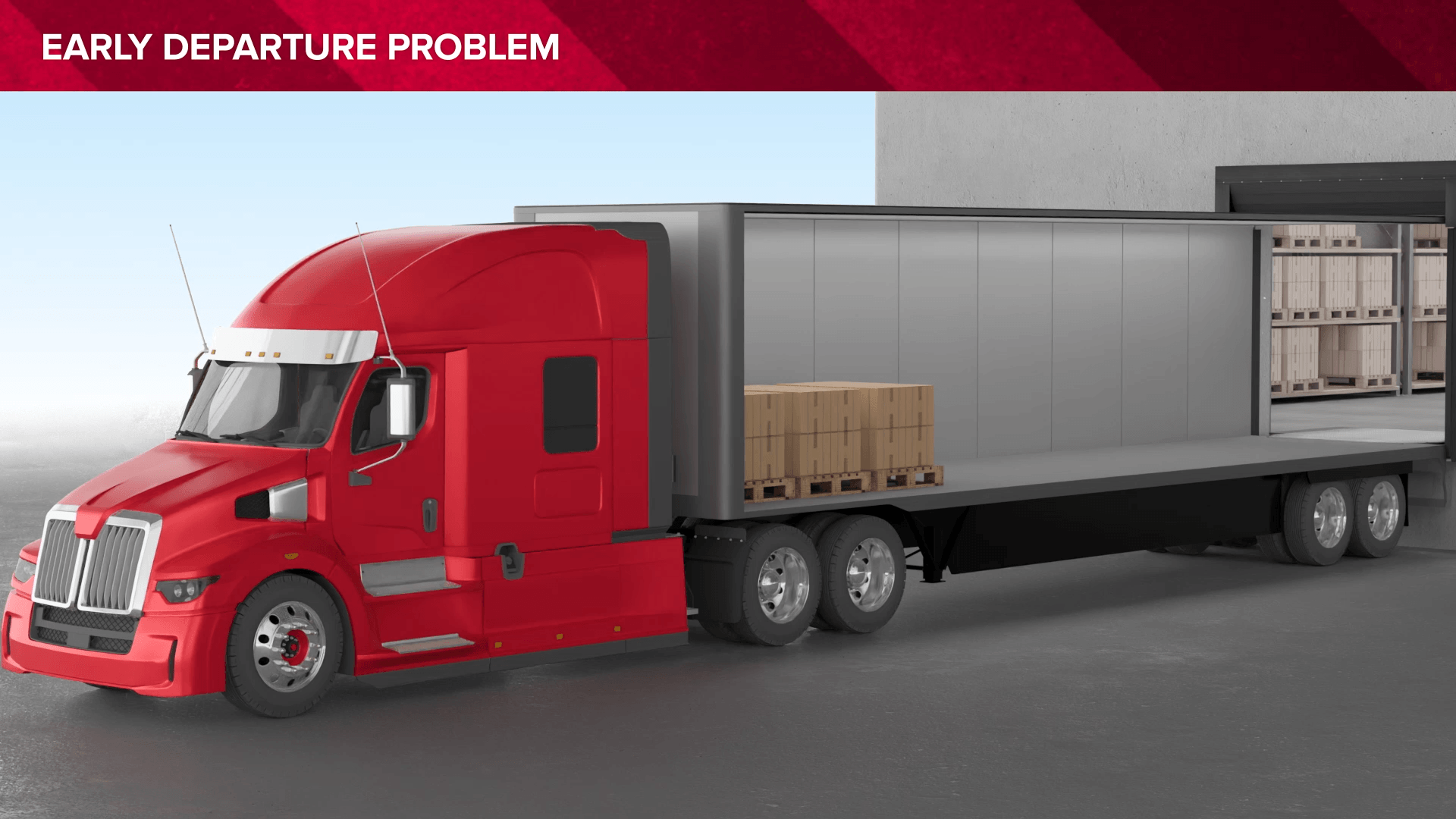
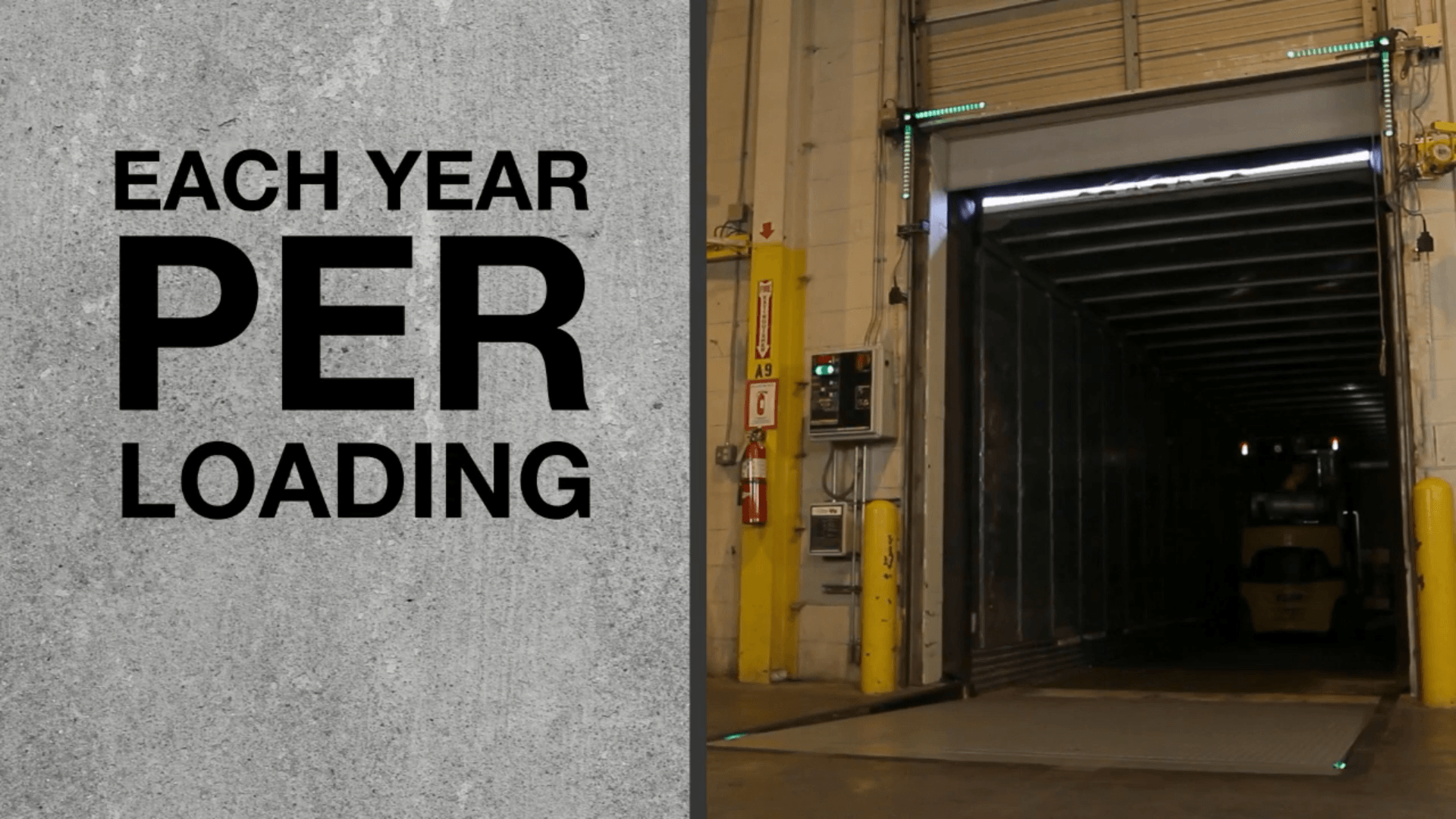
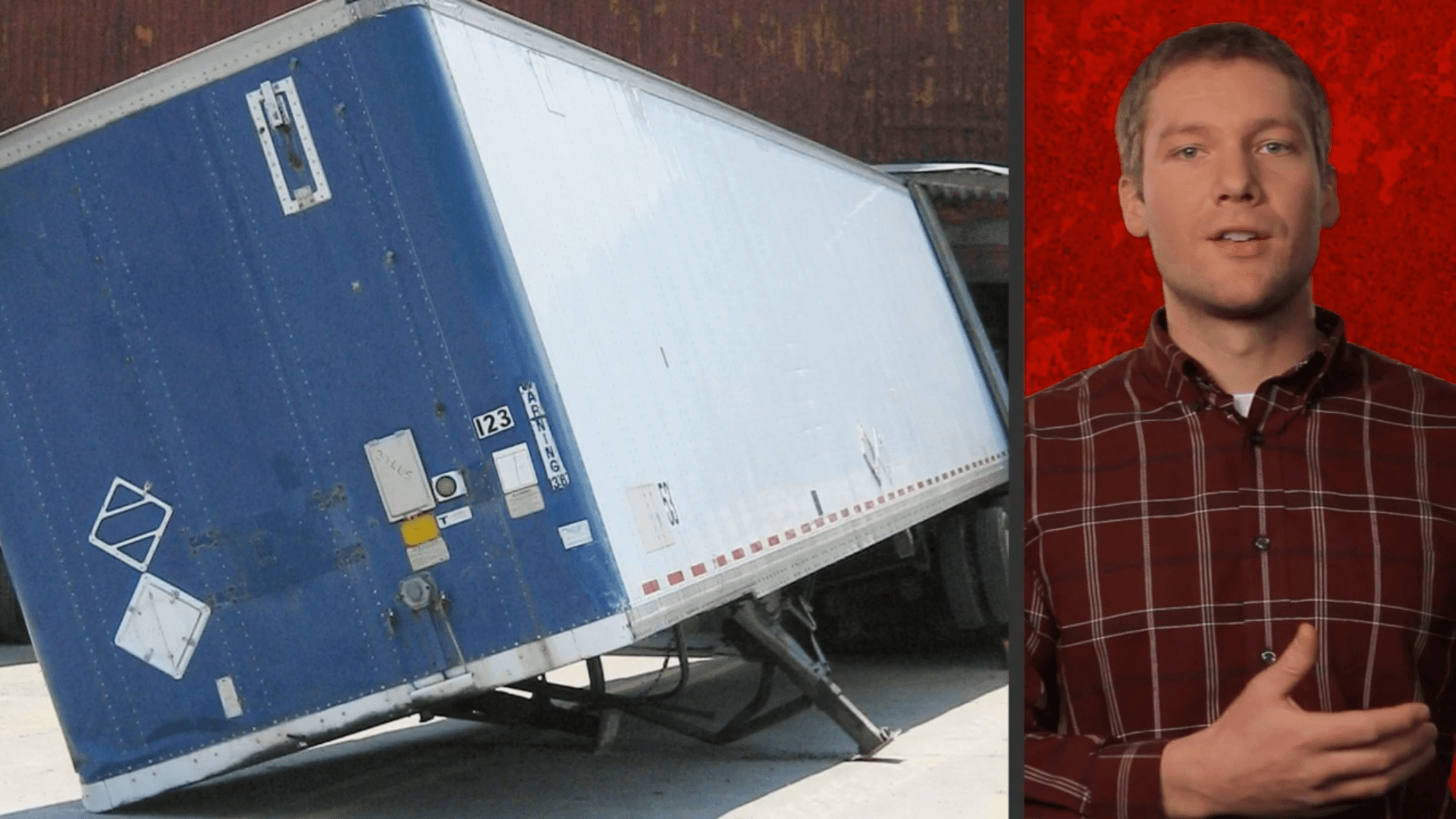
With more than 100,000 forklift passes per leveller per year, dangerous separation accidents at loading docks can occur in a multitude of ways. Dok-Loks devices help prevent these costly risks, such as: Trailer pickup (dock walk) Early start Vertical opening or flip trailer Landing gear collapse
RESOURCES

Videos

RESOURCES

Literature

Each dock brochure

Download

Rite-Vu Hazard Recognition and Control™ Brochure

Download

Which method of restraint is right for you?

Download

Dok-Lok's® 40th Anniversary Timeline

Download

VBR-100 Wall Mounted Vertical Restraint Data Sheet

Download
RESOURCES

Manuals

Instructions for Dok-Lok® Truck Drivers

Download

VBR-100 Vehicle Restraint System Installation Manual

Download

VBR-100 Vehicle Restraint System User Manual

Download
RESOURCES

Drawings/Specifications

Loading Dock Specifications

Download
RESOURCES

Case Studies

No items found.
RESOURCES

White Paper

No items found.
No items found.
No items found.